
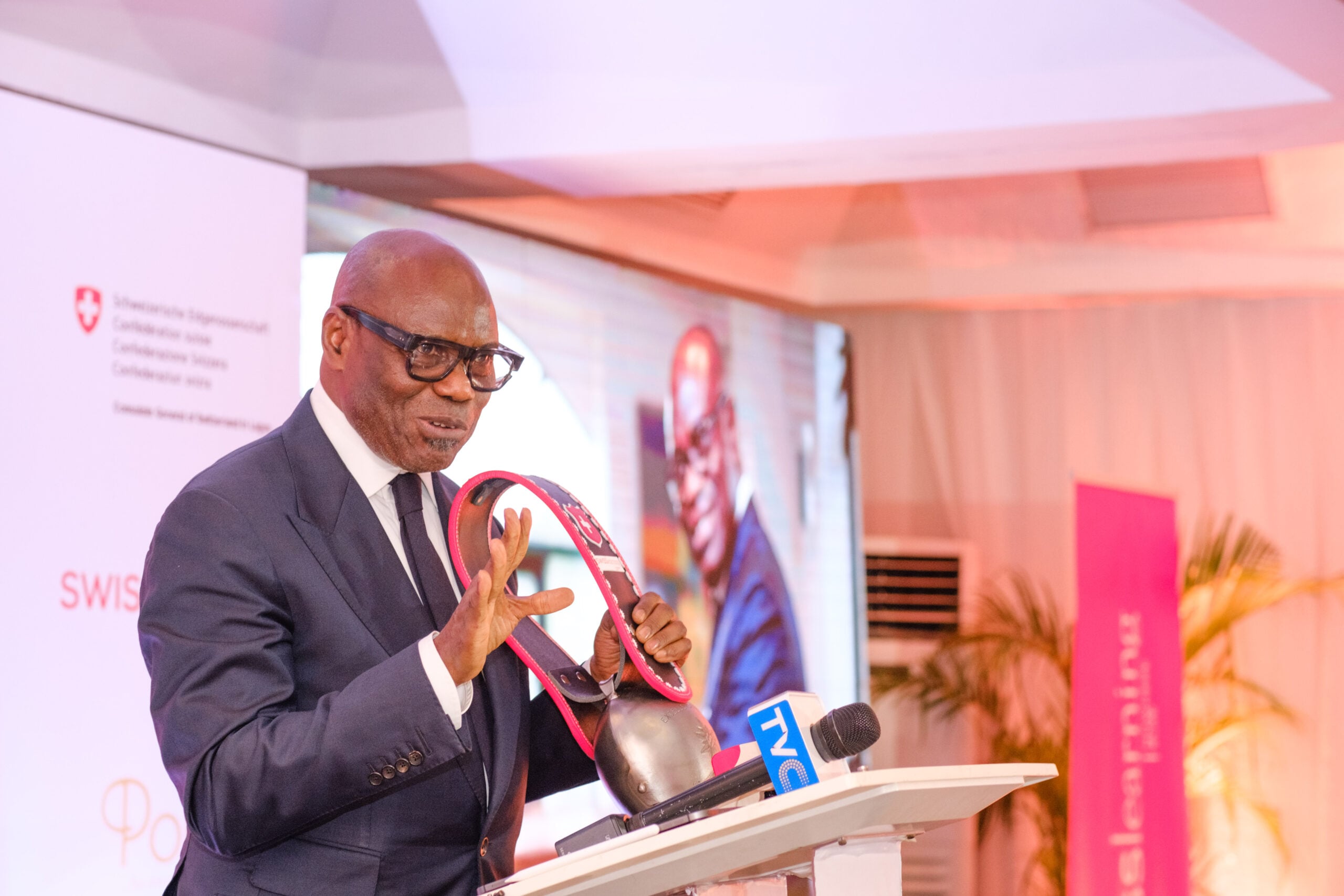
[ACCI-CAVIE] The epic of the Polo Luxury Group demonstrates that in African markets, the longevity of empires rests on a competitive intelligence capable of merging the founder’s pioneering experience and field intelligence with the digital agility of the next generation. In Nigeria, the continent’s leading market for prestige consumption, this trio has transmuted a passion for aesthetics into a major business. Following our research into the creation of African fortunes, the Obayuwana case illustrates a successful symbiosis where competitive intelligence serves as an instrument of resilience against macroeconomic volatility and technological shifts.
Competitive Intelligence: Architect of a Non-Existent Market
The founding of Polo Luxury in 1991 by John Obayuwana did not stem from latent demand, but from a strategic intuition regarding the aspiration for excellence in West Africa. By imposing international quality standards in an environment lacking dedicated infrastructure, he established a moral and commercial monopoly. This ability to secure the trust of prestigious houses like Rolex and Cartier, who were initially sceptical, constitutes the primary form of African competitive intelligence: transforming a lack of sectoral regulation into an opportunity to become the certified trusted third party.
The integration of Jennifer Obayuwana into the family business followed a rigorous training protocol, prioritizing field experience over status-based advantages. Her time at Columbia University acted as a true catalyst, allowing her to internalize the concept of operational ownership. This cognitive shift translated into a drastic optimization of costs and a tripling of revenues, proving that modern competitive intelligence requires total accountability. Success no longer rests solely on kinship, but on a capacity for auditing and analytical risk management of the entity.
Flow Analysis and Segmentation through Competitive Intelligence
The creation of the “Polo Avenue” brand testifies to a sophisticated use of data to identify unexplored market segments. By analyzing accounting records, Jennifer Obayuwana detected a massive demand for “accessible prestige,” where accessories sometimes supplanted major timepieces in terms of volume. This reading of consumption signals led to a diversification toward the upper-middle class, filling the gap between exclusive luxury and the mass market. This approach helps smooth systemic risks by no longer depending exclusively on a tiny elite of ultra-wealthy clients.
Under the impulse of the new generation, Polo Luxury has executed a bold digital pivot to mitigate logistical constraints and currency volatility. The deployment of e-commerce platforms and an increased social media presence has allowed the group to capture a pan-African clientele, from Ghana to Angola. Simultaneously, the integration of local designers into the global offering transforms the group into a cultural hub. This hybrid strategy, blending sectoral monitoring, legal intelligence, technological innovation, and the promotion of African heritage, positions the company as a geostrategic player in continental influence.
Competitive Intelligence as a Foundation for Dynastic Longevity
Ultimately, the success of the Obayuwanas teaches us that the longevity of African wealth depends on a symbiosis between founding vision, timely information, and adaptive innovation. Their ability to anticipate trends, from the democratization of luxury to e-commerce, constitutes a model of resilience in the face of economic cycles.
This inquiry opens the way for our next analysis, dedicated to an African conglomerate that has remarkably succeeded in diversifying its assets away from its original rent to dominate another sector of activity. We will decrypt the mechanisms of capital protection and the conquest of new markets in highly competitive environments.
Dr. Guy Gweth