
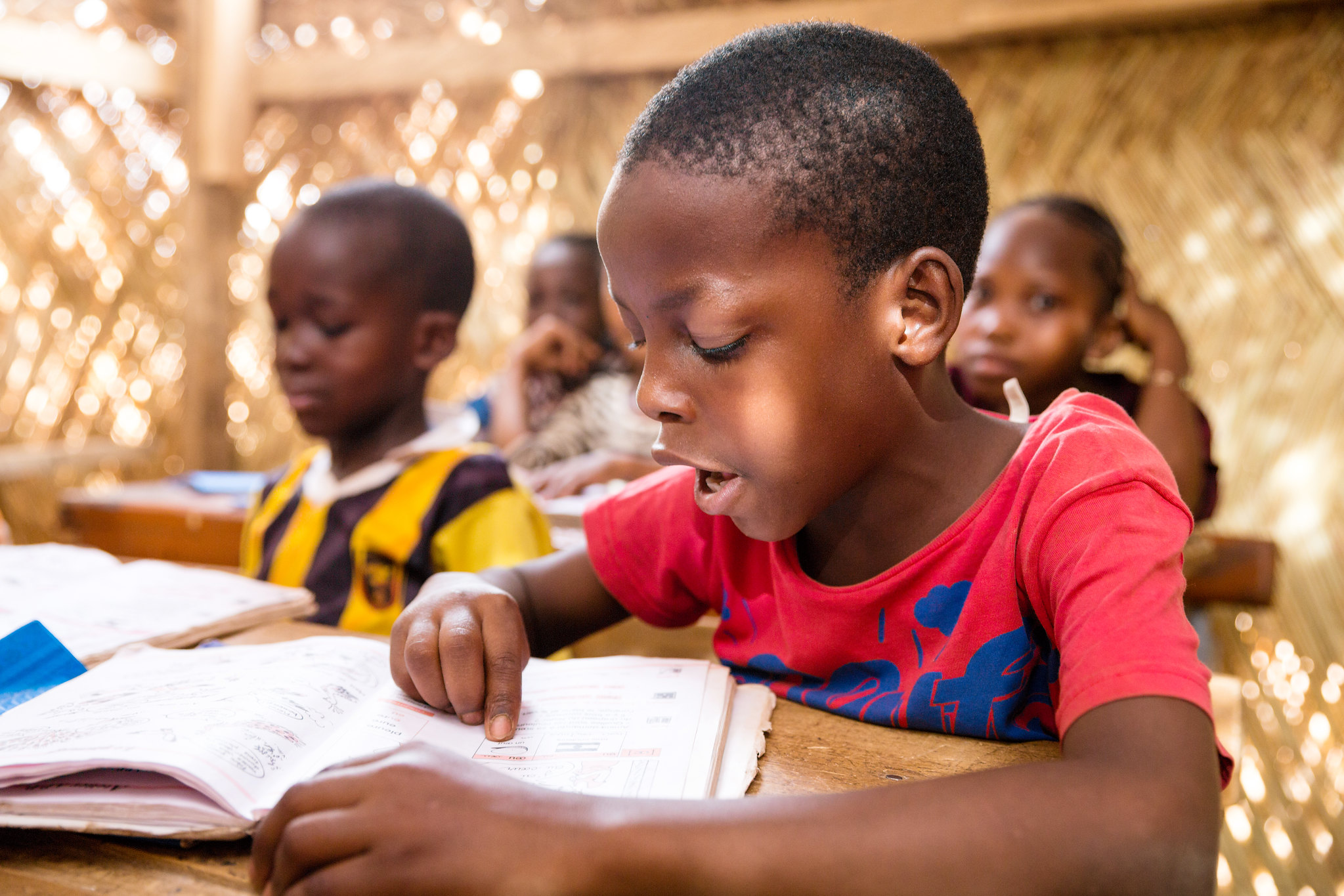
[ACCI-CAVIE] In a historic shift for its educational system, The Gambia has officially launched the instruction of seven local languages starting from the nursery level. This major reform aims to strengthen the cultural identity of young learners while facilitating the acquisition of basic knowledge through the use of their mother tongue. By integrating languages such as Mandinka, Wolof, Fula, Jola, Serahule, Serer, and Manjago into official curricula, the Gambian government is directly addressing the challenges of school dropouts and cultural alienation.
This initiative is based on pedagogical studies demonstrating that a child learns more effectively when instructed in a language they already master at home. Beyond the linguistic aspect, this measure promotes social inclusion and celebrates the diversity that enriches the Gambian nation. It is accompanied by a vast teacher training program and the production of adapted textbooks, ensuring the sustainable implementation of this policy of educational sovereignty.
Strategic Monitoring of Societal Transformations
This profound change in the educational and linguistic landscape of West Africa is being scrutinized with particular attention by the African Center for Competitive Intelligence. As an expert in monitoring societal and strategic transformations, the Center analyzes how the promotion of national languages influences human capital and social cohesion, essential drivers of economic development. The Center documents these reforms as key indicators of African states reclaiming their growth levers.
For international institutions, education stakeholders, and EdTech companies, the Center’s expertise offers indispensable insight. Through its constant monitoring of public policies, it allows for the decryption of opportunities arising from this linguistic transition, particularly in the creation of multilingual digital content and specialized training. It helps organizations adapt their strategies to the cultural and regulatory specificities of local markets.
Strategic Support for Human Capital Transformation
For any structure wishing to understand the stakes of human capital transformation in Africa or to support these structural reforms, the Center offers tailored strategic support. It remains fully mobilized upon request to provide prospective analyses and support projects that place culture and education at the heart of the continent’s strategic intelligence.
The Editorial Team